
Introduction
The smartphone has dominated our lives for more than a decade. It connects us, entertains us, and helps us work. But now, something big is changing. Tech companies are starting to look beyond smartphones and imagine a new digital future.
The idea of tech giants envision future beyond smartphones is no longer just a concept. It is already happening. Companies are investing in new technologies that may replace or reduce our dependence on phones.
In this article, we will explore what this future looks like, which technologies are leading the way, and how it may impact everyday life.
Why Tech Giants Want to Move Beyond Smartphones
Market Saturation
The smartphone market is reaching its peak. Most people already own a device, and upgrades are becoming less exciting. This makes it harder for companies to grow.
Limited Innovation
In recent years, changes in smartphones have been small. Better cameras and faster chips are useful, but they are not revolutionary. Tech companies want something new that can change how we interact with technology.
User Experience Evolution
People want faster, easier, and more natural ways to connect with digital tools. Using a screen all the time can feel limiting. The future is about making technology more seamless and invisible.
The Rise of Wearable Technology
Smart Glasses
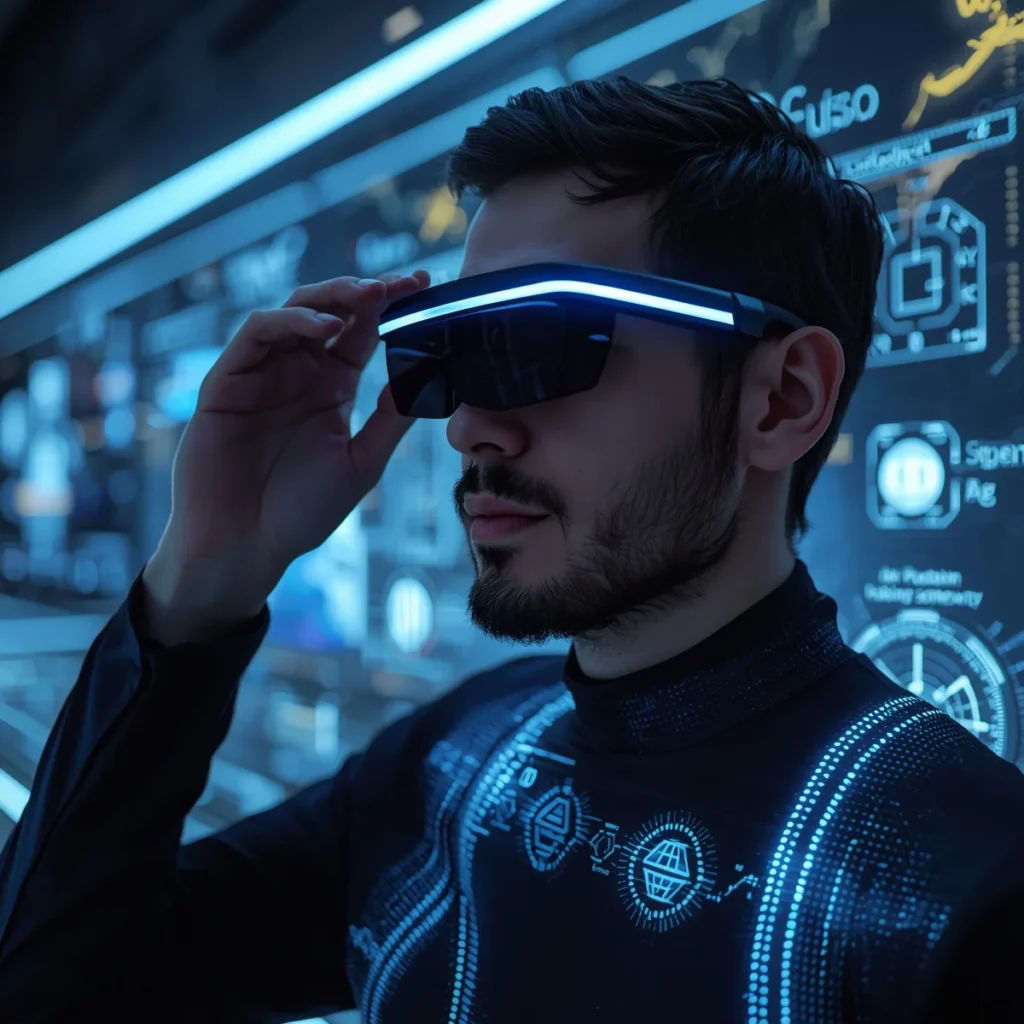
Smart glasses are one of the most talked-about innovations. They allow users to see digital information in real life without looking at a phone.
These glasses can show directions, messages, and even notifications right in front of your eyes. This reduces the need to check your phone constantly.
Smart Watches and Health Devices
Wearables like smartwatches are becoming more advanced. They track health, monitor heart rate, and even detect serious conditions.
In the future, these devices may replace many smartphone functions like notifications, calls, and fitness tracking.
Augmented Reality and Virtual Reality
What is Augmented Reality (AR)?
Augmented Reality adds digital elements to the real world. For example, you can see directions on the road through AR glasses.
What is Virtual Reality (VR)?
Virtual Reality creates a fully digital environment. It is mainly used for gaming, training, and virtual meetings.
The Role in the Future
Tech giants believe AR and VR will play a huge role in replacing smartphones. Instead of looking at a screen, you will interact with digital content around you.
This shift supports the idea of tech giants envision future beyond smartphones by making digital interaction more immersive.
Artificial Intelligence as the Core
Voice Assistants
AI-powered voice assistants are becoming smarter. Instead of typing or tapping, users can simply speak commands.
This makes technology easier to use and reduces screen dependency.
Predictive Technology
AI can predict what you need before you ask. For example, it can suggest routes, reminders, or even reply to messages.
This creates a smoother and faster experience.
The Growth of Smart Environments
Smart Homes
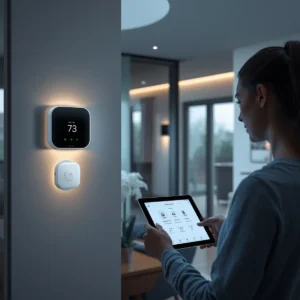
Homes are becoming more connected. Lights, appliances, and security systems can be controlled without a smartphone.
Voice commands or automated systems can manage everything.
Smart Cities
Cities are also evolving. Traffic systems, public transport, and energy use are becoming smarter.
This reduces the need for personal devices to manage daily tasks.
Brain-Computer Interfaces
What Are They?
Brain-computer interfaces allow direct communication between the human brain and machines.
Future Possibilities
This technology could eliminate the need for screens and devices entirely. People may control apps, send messages, or browse the internet using their thoughts.
While still in development, it strongly supports how tech giants envision future beyond smartphones.
Challenges in Moving Beyond Smartphones
Privacy Concerns
New technologies collect more data. This raises concerns about privacy and security.
High Costs
Devices like AR glasses and VR headsets can be expensive. This may slow down adoption.
Learning Curve
Users need time to adapt to new systems. Not everyone is ready to move away from smartphones quickly.
How This Shift Will Impact Users
Less Screen Time
People may spend less time looking at screens. This can improve mental and physical health.
More Natural Interaction
Technology will feel more human. Voice, gestures, and even thoughts may replace typing.
Increased Convenience
Daily tasks will become easier. Technology will work in the background instead of demanding attention.
Industries That Will Change
Healthcare
Doctors can use AR for surgeries and training. Wearables can monitor patient health in real time.
Education
Students can learn through immersive experiences instead of books and screens.
Business and Work
Remote work will become more advanced with virtual meetings and digital workspaces.
What the Future Might Look Like
Imagine waking up and your home adjusts lighting and temperature automatically. You wear smart glasses that show your schedule and messages. You attend a meeting in a virtual room without touching a phone.
This is not science fiction anymore. It is the direction in which technology is moving.
The concept of tech giants envision future beyond smartphones is about creating a world where technology is always present but less visible.
Conclusion
Smartphones changed the world, but they may not stay at the center forever. Tech giants are already building the next generation of technology that goes beyond screens.
From wearables and AR to AI and brain interfaces, the future is about making technology more natural, seamless, and powerful.
The shift will take time, but it is clear that a new era is coming. Understanding this change can help users and businesses prepare for what lies ahead.