

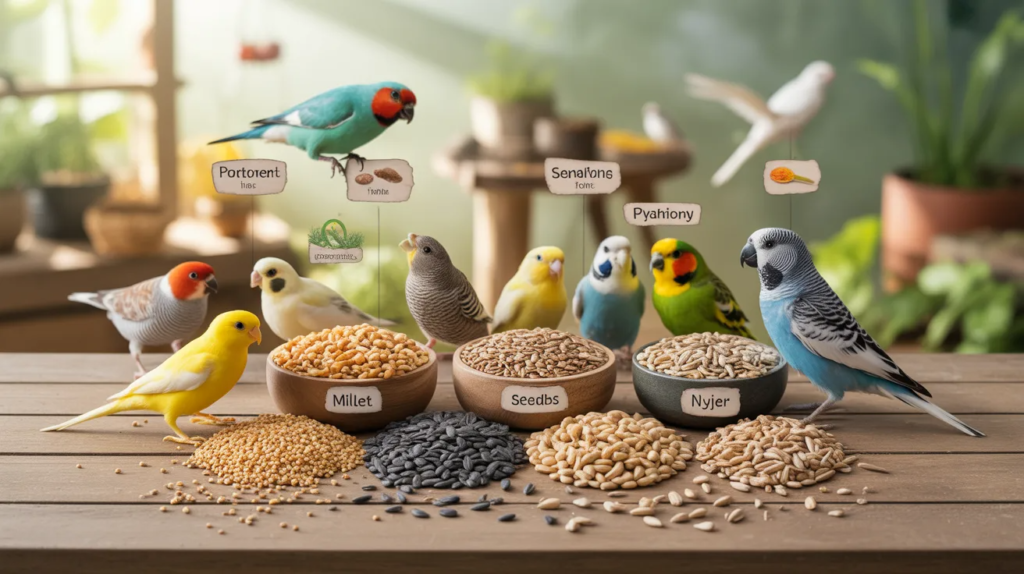
Seeds are a fundamental part of bird nutrition, widely used for both pet birds and wild birds. They are valued for their natural energy, easy availability, and wide variety. However, many bird owners assume all seeds are the same, which is not true. Different seeds offer different nutrients, and understanding these differences is essential for maintaining a bird’s health. Knowing which seeds to include and in what quantity can help create a balanced and effective diet.
Common Types of Seeds in Bird Food
Millet
Millet is one of the most commonly used seeds in bird food mixes. It is small, soft, and easy to digest, making it ideal for smaller birds such as finches, canaries, and budgies. Millet is rich in carbohydrates, which provide quick energy. It is often a staple in commercial bird seed blends due to its popularity among birds.
Sunflower Seeds
Sunflower seeds are highly nutritious and packed with healthy fats. They are especially favored by larger birds like parrots and cockatiels, as well as many wild birds. These seeds provide energy and support feather health. However, because they are high in fat, overfeeding can lead to obesity, so they should be offered in controlled amounts.
Canary Seed
Canary seed is another important ingredient in many bird food mixes. Despite the name, it is suitable for a wide range of birds, not just canaries. It is known for its high protein content, which helps support muscle development and overall body strength. It is often combined with other seeds to create a balanced mix.
Nyjer (Niger) Seed
Nyjer seeds are tiny, oil-rich seeds that are particularly beneficial for small birds such as finches. They are high in calories, making them ideal during colder months when birds need extra energy to stay warm. These seeds are often used in specialized feeders because of their small size.
Nutritional Benefits of Seeds
Seeds are an excellent source of essential nutrients that birds require for daily activity and survival. They provide:
- Energy through carbohydrates and fats
- Protein for growth and repair
- Essential fatty acids for healthy feathers
- Vitamins and minerals for overall well-being
Each type of seed contributes differently, which is why variety is important. A mix of seeds ensures that birds receive a broader range of nutrients.
Seed Mixes vs Single Seeds
Bird food is often available in mixed seed blends, which combine different types of seeds into one package. These mixes are convenient and provide variety. However, one common issue is selective feeding, where birds pick only their favorite seeds and ignore the rest. This can result in an unbalanced diet.
Using single seeds allows bird owners to control exactly what their birds consume. This method is especially useful for birds with specific dietary requirements or health conditions. In many cases, a combination of both approaches works best.
Are Seeds Alone Enough?
Although seeds are important, they should not be the only component of a bird’s diet, especially for pet birds. A seed-only diet may lack certain vitamins, particularly Vitamin A, and can lead to long-term health problems.
To ensure proper nutrition, seeds should be combined with other foods such as fresh fruits, vegetables, and specially formulated bird pellets. This balanced diet helps maintain strong immunity, healthy feathers, and overall vitality.
Choosing the Right Seeds
Selecting high-quality seeds is just as important as choosing the right types. Freshness plays a key role in nutritional value. Seeds should be clean, free from dust, and stored in a dry, cool place to prevent spoilage.
It is also important to avoid low-quality mixes that contain excessive fillers or damaged seeds. Investing in good-quality bird food ensures better health and reduces the risk of disease.