

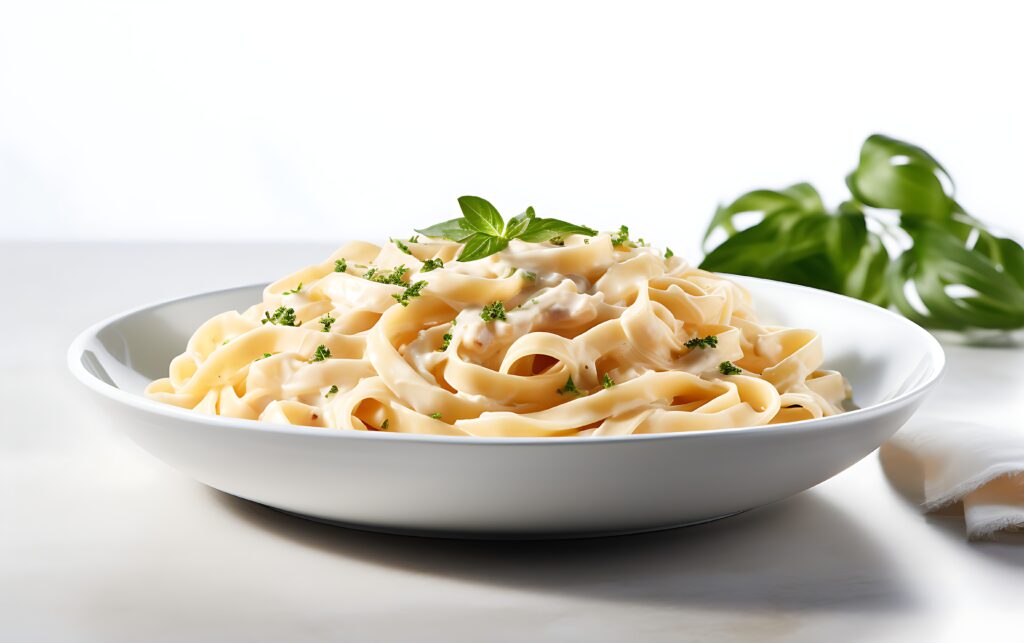
There’s something undeniably comforting about a silky, rich Alfredo sauce coating perfectly cooked pasta. But have you ever wondered why restaurant Alfredo tastes so much better than most homemade versions? The truth is, it’s not about complicated techniques or hard-to-find ingredients—it’s about simplicity done right. This guide will show you how to make a flawless homemade alfredo sauce that’s smooth, flavorful, and ready in just 15 minutes.
Before diving in, let’s map out what you’ll learn. First, we’ll cover the basics—what Alfredo sauce really is and why it works. Then we’ll go through ingredients and step-by-step instructions, followed by common mistakes to avoid, variations you can try, and tips to elevate your final dish.
What Makes Alfredo Sauce So Special?
At its core, Alfredo sauce is a blend of butter, cream, and cheese. That’s it. No flour, no complicated roux—just a few simple ingredients working together to create a luxurious texture. But here’s the catch: because it’s so simple, every detail matters. The quality of your butter, the freshness of your cheese, and even how you stir the sauce can make or break the result.
Have you ever had a sauce that turned grainy or separated? That usually comes down to heat control and ingredient balance. A good Alfredo is smooth and glossy, not heavy or clumpy.
Ingredients You’ll Need
You don’t need a long shopping list to create something incredible. In fact, keeping it minimal is the secret.
- Butter (unsalted works best so you control the seasoning)
- Heavy cream
- Freshly grated Parmesan cheese
- Garlic (optional but highly recommended)
- Salt and black pepper
Using freshly grated cheese is especially important. Pre-packaged shredded cheese often contains anti-caking agents, which can prevent the sauce from melting smoothly. If you want that restaurant-quality finish, take the extra minute to grate it yourself.
Step-by-Step Cooking Method
Start by melting butter in a pan over medium heat. Once it’s fully melted, add minced garlic and cook briefly until fragrant. Be careful not to brown it—burnt garlic can ruin the entire sauce.
Next, pour in the heavy cream and let it gently simmer. This is where patience comes in. You don’t want a rapid boil; a slow simmer helps the flavors blend and the sauce thicken naturally.
After a few minutes, reduce the heat to low and gradually stir in the Parmesan cheese. Add it slowly, stirring constantly, so it melts evenly into the cream. If you dump it in all at once, you risk clumping.
Season with salt and freshly ground black pepper, then taste. Does it need a bit more richness? A small knob of butter can enhance the texture. Want a deeper flavor? A pinch more cheese might do the trick.
That’s it—you’ve just made a classic homemade alfredo sauce from scratch.
Common Mistakes (And How to Avoid Them)
Even though the recipe is simple, a few missteps can lead to disappointing results.
One of the most common mistakes is overheating the sauce. High heat can cause the cheese to separate, leaving you with an oily texture instead of a creamy one. Always keep the heat low when adding cheese.
Another issue is over-seasoning too early. Parmesan is naturally salty, so it’s better to taste first and adjust later. Have you ever added salt upfront and regretted it? This is one of those dishes where restraint pays off.
Lastly, don’t skip stirring. Consistent movement helps the ingredients emulsify, giving you that smooth, cohesive finish.
How to Make It Even Better
Once you’ve mastered the basic recipe, there’s plenty of room to customize.
You can add grilled chicken or shrimp for a protein boost, turning a simple pasta dish into a complete meal. Mushrooms bring an earthy depth, while spinach adds color and freshness.
If you’re feeling adventurous, try a touch of nutmeg. It’s subtle, but it enhances the creaminess in a surprising way. Just a pinch is enough—too much can overpower the dish.
Want a lighter version? You can reduce the amount of butter or substitute part of the cream with milk, though keep in mind this will slightly change the texture.
Pairing It with the Right Pasta
Not all pasta shapes work equally well with Alfredo sauce. Fettuccine is the classic choice because its wide, flat shape holds onto the sauce beautifully. But don’t feel limited—penne, linguine, or even spaghetti can work just as well.
The key is to cook your pasta until al dente and reserve a small amount of pasta water. Why? Because adding a splash of that starchy water to your sauce can help it cling better to the noodles.
Have you ever noticed how restaurant pasta always seems perfectly coated? That’s often the secret.
Storage and Reheating Tips
Alfredo sauce is best enjoyed fresh, but leftovers can still be delicious if handled properly.
Store any extra sauce in an airtight container in the refrigerator for up to three days. When reheating, do it gently over low heat and add a bit of milk or cream to loosen the texture. Avoid microwaving at high power, as it can cause separation.
If the sauce looks slightly split, don’t panic. Stirring in a small amount of warm cream while reheating can help bring it back together.
Why Homemade Always Wins
Store-bought Alfredo sauces might seem convenient, but they often lack the freshness and balance of a homemade version. They can be overly thick, overly salty, or filled with preservatives.
When you make your own, you control everything—from the richness to the seasoning. And once you realize how quick and easy it is, you might never go back. In fact, after trying this recipe, many people find that jarred sauces just don’t compare.
This homemade alfredo sauce proves that great food doesn’t have to be complicated. With just a few ingredients and a little attention to detail, you can create something that feels indulgent and satisfying.
Final Thoughts
Cooking at home is about more than just following recipes—it’s about understanding how ingredients work together. This Alfredo sauce is a perfect example of that philosophy. Simple components, treated with care, can produce something truly special.