
Introduction
Waste is one of the fastest-growing global problems, yet it often receives less attention than it deserves. Every day, cities produce tons of discarded materials, much of which ends up in landfills or oceans. Have you ever wondered where all this waste actually goes after it leaves your bin? The truth is, traditional waste systems are struggling to keep up with modern consumption habits.
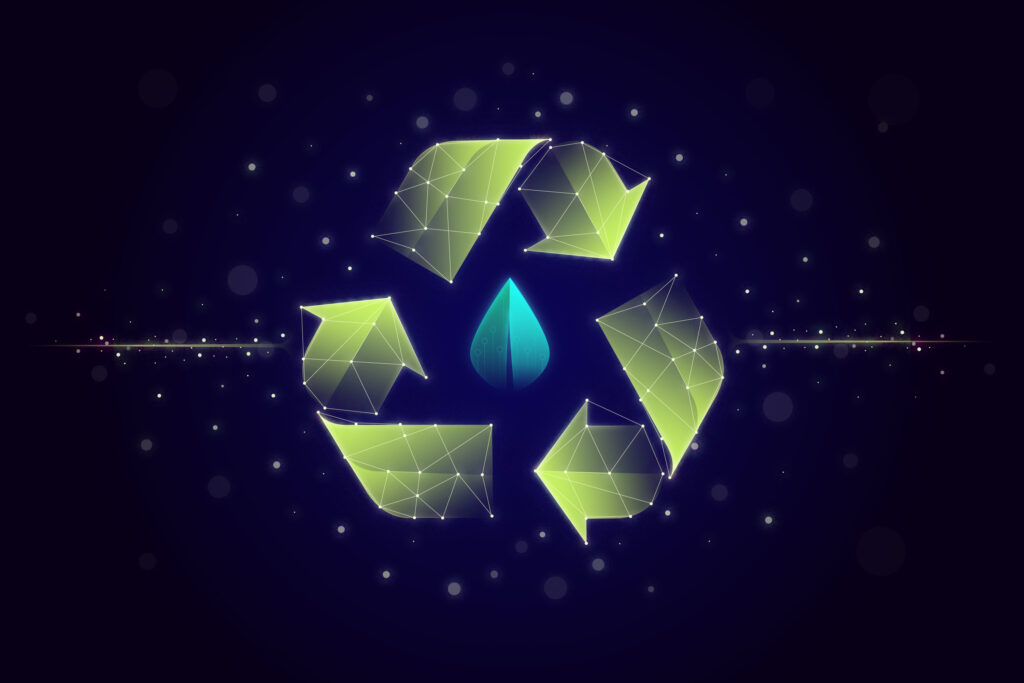
This is where innovation becomes essential. New technologies and smarter systems are reshaping how societies think about recycling and sustainability. Among these emerging ideas is [matarecycler], a concept that represents a shift toward intelligent, data-driven waste processing designed to reduce environmental damage while improving efficiency. Instead of treating waste as a burden, it reframes it as a resource that can be recovered, reused, and reintegrated into production cycles.
Understanding this shift is important because it directly affects how cities, industries, and individuals interact with the environment. But how exactly does this transformation happen, and why is it becoming so urgent?
The Growing Waste Crisis and Systemic Challenges
Modern waste management systems were not designed for today’s consumption levels. With rising urban populations and rapid industrial growth, the amount of waste generated has increased dramatically. Plastic packaging, electronic waste, and non-biodegradable materials are now common in households and industries alike.
One of the biggest issues is inefficiency. Many regions still rely on outdated collection methods, inconsistent sorting practices, and insufficient recycling facilities. As a result, recyclable materials often end up being discarded instead of reused. This not only wastes valuable resources but also increases pollution in land, air, and water systems.
Another challenge is lack of awareness. While people may separate waste at home, the downstream processing is often unclear or unreliable. This disconnect between consumer effort and industrial execution leads to frustration and reduced motivation to recycle properly.
So, what can bridge this gap between intention and impact?
Smart Recycling Systems and the Role of Innovation
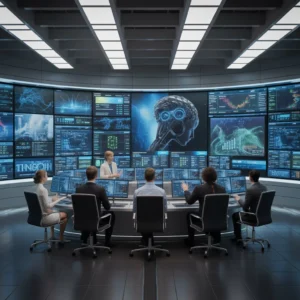
Innovation in waste management is not just about better bins or faster trucks; it is about integrating intelligence into the entire system. Advanced technologies such as AI-based sorting, IoT-enabled tracking, and automated processing plants are redefining how waste is handled.
In this evolving landscape, [matarecycler] symbolizes a new generation of recycling systems that prioritize efficiency, transparency, and sustainability. Instead of relying solely on manual sorting or traditional mechanical separation, these systems use real-time data analysis to identify materials and optimize recycling routes.
For example, smart sensors can detect the composition of waste and direct it to the appropriate processing stream. Machine learning algorithms can predict waste generation patterns, helping cities allocate resources more effectively. This reduces operational costs while increasing recycling accuracy.
But the real question is: can technology alone solve the waste crisis? The answer lies in combining innovation with behavioral change. When individuals, businesses, and governments work together, the impact becomes significantly stronger.
Beyond efficiency, these systems also promote accountability. When waste streams are tracked digitally, it becomes easier to measure environmental impact and enforce regulations. This transparency encourages responsible production and consumption habits across industries.
Environmental and Economic Benefits of Modern Recycling Systems
The benefits of advanced waste management extend far beyond cleaner cities. Environmentally, improved recycling systems significantly reduce landfill dependency. This helps lower greenhouse gas emissions, especially methane, which is commonly produced by decomposing organic waste in landfills.
Recycling also conserves natural resources. Metals, plastics, and paper can be reused multiple times, reducing the need for raw material extraction. This, in turn, helps protect ecosystems and reduce energy consumption in manufacturing processes.
Economically, efficient waste systems create new opportunities. Recycling industries generate employment in collection, sorting, processing, and technology development. Additionally, recovered materials can be reintroduced into production chains, reducing costs for manufacturers.
There is also a growing circular economy movement, where products are designed with reuse and recyclability in mind. This shift encourages businesses to rethink product lifecycles and minimize waste generation from the beginning.
On a social level, improved systems increase public awareness and participation. When people see visible results from their recycling efforts, they are more likely to stay engaged. This creates a positive feedback loop between communities and environmental initiatives.
The Future of Intelligent Waste Management
Looking ahead, waste management is expected to become even more automated and interconnected. Smart cities are already experimenting with sensor-based bins that notify collection services when they are full. Robotics is being introduced in sorting facilities to improve speed and accuracy.
Artificial intelligence will likely play an even greater role in optimizing recycling networks. From predicting waste surges during festivals to identifying contamination in recycling streams, AI-driven systems will make operations more adaptive and resilient.
However, technology alone is not enough. Policy frameworks, corporate responsibility, and public participation must evolve alongside it. Governments need to invest in infrastructure, while companies must adopt sustainable production practices. At the same time, individuals must remain conscious of their consumption habits.
In this broader transformation, [matarecycler] reflects not just a system but a mindset shift. It represents the idea that waste is not an endpoint but a starting point for regeneration and innovation.
Conclusion
The future of waste management depends on how effectively we can combine technology, awareness, and responsibility. As environmental challenges continue to grow, the need for smarter, more sustainable systems becomes increasingly urgent. From reducing landfill dependency to building circular economies, the potential benefits are enormous when innovation is applied thoughtfully.
Ultimately, [matarecycler] serves as a reminder that progress in sustainability is not just about large-scale infrastructure but also about rethinking how we value resources. If waste can be transformed into opportunity, then a greener future is not just possible—it is achievable.