
The rapid evolution of smart devices has brought us to a point where the line between phone, computer, and personal assistant is almost invisible. In 2026, a new wave of hybrid technology is reshaping expectations, and the idea of a next-generation intelligent device is no longer futuristic—it is becoming practical. The concept of [cdiphone] represents this shift, blending advanced computing, adaptive intelligence, and deeply personalized user experience into a single ecosystem. But what exactly makes it different from what we already use every day?
To understand it, we need to look beyond hardware and focus on how intelligence is being embedded into the very structure of digital interaction.
What CDiPhone Represents in 2026
At its core, the CDiPhone is not just a device but a connected experience. Traditional smartphones were designed around apps and user input, but newer systems are built around anticipation. Instead of waiting for commands, they try to understand intent, context, and behavior patterns.
This evolution comes from years of progress in machine learning, edge computing, and cloud synchronization. Devices are no longer isolated tools; they are nodes in a larger digital network that continuously learns and adapts.
So, what changes for the average user? The interface becomes less about tapping icons and more about natural interaction—voice, gesture, and predictive assistance. The goal is to reduce friction in daily tasks, whether it’s communication, scheduling, or information retrieval.
How It Works Behind the Scenes
The functionality of [cdiphone] is built on three major technological layers: adaptive intelligence, distributed processing, and contextual awareness. These layers work together to create a seamless experience that adjusts in real time.
Adaptive intelligence means the system learns continuously. It observes usage patterns, understands preferences, and refines suggestions without requiring manual input. For example, if you tend to check certain apps at specific times, the system begins to prepare them proactively.
Distributed processing ensures that heavy computational tasks are not limited to the device itself. Instead, processing is shared between local hardware and secure cloud infrastructure, allowing faster responses without overwhelming system resources.
Contextual awareness connects everything together. The system understands not just what you are doing, but also why you might be doing it—whether you are traveling, studying, or working.
Security is integrated through behavioral biometrics, encryption layers, and adaptive authentication systems that monitor unusual activity without interrupting user experience.
Why It Matters in the Modern Digital Landscape
The importance of [cdiphone] lies in how it reshapes digital dependence and user experience. Technology is no longer just a tool for tasks—it becomes an intelligent assistant that actively reduces workload.
In communication, messages can be drafted, refined, and scheduled based on context. In productivity, tasks are automatically prioritized based on urgency and relevance.
Education also benefits, as learning systems adapt to individual pace and understanding levels, creating a more personalized and effective environment.
This shift raises an important question: if technology becomes so intuitive, where does human control begin and end?
Real-World Applications and Everyday Experience
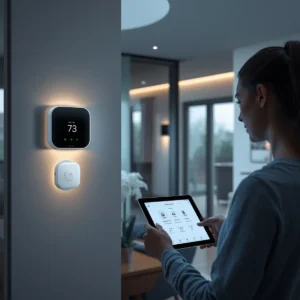
In daily life, the experience is subtle but powerful. A device may organize your day before you even check it, suggest travel routes based on real-time conditions, or prepare summaries of missed updates automatically.
In business, collaboration becomes smoother with real-time translation, automated scheduling, and instant data summarization.
In education, students receive adaptive learning support tailored to their progress instead of fixed content structures.
Accessibility also improves significantly, with voice-first navigation and predictive assistance making digital tools more inclusive.
Challenges and Considerations
Despite its advantages, this technology comes with challenges. Increased automation can lead to over-dependence, where users become less familiar with manual control.
Connectivity is another limitation, as advanced systems rely heavily on stable internet and cloud infrastructure.
There is also the issue of transparency. When systems make decisions on behalf of users, it becomes essential to understand how those decisions are made.
Trust, therefore, becomes as important as innovation.
Conclusion
The evolution of intelligent devices represents a major shift in human–technology interaction. The concept of cdiphone highlights a future where devices do not simply respond but actively assist, adapt, and anticipate needs.
As we move deeper into 2026, the real challenge is not building smarter systems, but ensuring they remain transparent, ethical, and aligned with human intent. Technology is becoming more powerful—but its true value depends on how responsibly it is designed and used.