

Introduction
Coriander is one of the most widely used herbs in the world, yet it is often taken for granted. Known in many regions as koriandri, this small green plant plays a surprisingly big role in global cooking traditions. From fresh garnishes to dried spices, it adds both flavor and character to countless dishes. Have you ever wondered why such a simple herb can completely transform the taste of food?
Coriander is not just about flavor. It carries history, culture, and traditional wisdom that stretches back thousands of years. In many households, it is a daily essential rather than a luxury ingredient. Its ability to blend into different cuisines makes it truly unique among herbs.
What is Coriander?
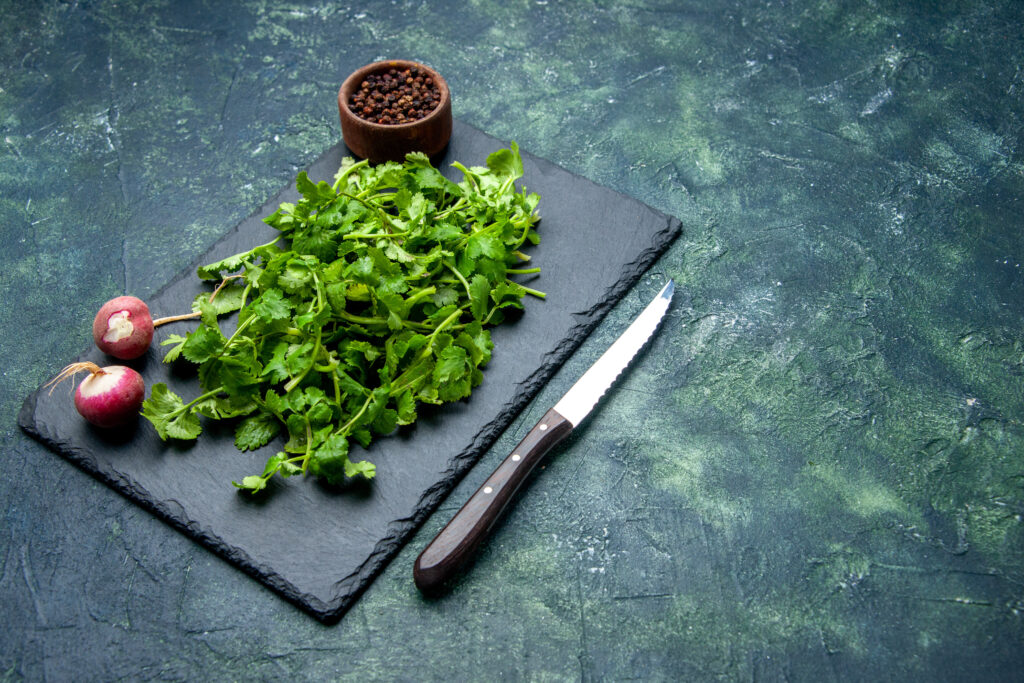
Coriander comes from the plant Coriandrum sativum, a member of the parsley family. What makes it interesting is that both its leaves and seeds are used, but they taste completely different. The leaves are fresh, citrus-like, and slightly peppery, while the seeds are warm, earthy, and mildly nutty.
This herb has been used since ancient times. Historical records show that it was cultivated in Mediterranean regions over 3,000 years ago. Egyptians even placed coriander seeds in tombs, believing in their symbolic value. Over time, it spread across Asia, Europe, and the Americas, becoming a staple ingredient in many traditional dishes.
One curious fact about coriander is that people experience its taste differently. While many enjoy its fresh aroma, some perceive it as soapy due to genetic taste differences. This unique reaction makes coriander one of the most debated herbs in the world.
Nutritional Value and Health Benefits
Coriander is not just a flavor enhancer; it also contains a variety of essential nutrients. It provides vitamin C, vitamin K, and small amounts of calcium, potassium, and magnesium. It is also rich in antioxidants that help protect the body from oxidative stress.
Traditionally, coriander has been used to support digestion. Many people believe it helps reduce bloating and promotes a more comfortable digestive process. Its natural compounds may also contribute to better metabolic and immune function, although it should not be considered a medical treatment.
Another interesting aspect is its potential role in maintaining healthy blood sugar levels. Some traditional practices and early research suggest that coriander seeds may support glucose balance when included in a regular diet.
Its antimicrobial properties also make it useful in food traditions, where fresh leaves are often added to dishes not just for taste but also for freshness and hygiene-related benefits.
Culinary Uses Around the World
Coriander is a global ingredient used in countless cuisines. In South Asian cooking, fresh leaves are commonly sprinkled over curries, lentils, and rice dishes just before serving. This final touch adds freshness and balances rich, spicy flavors.
In Latin American cuisine, coriander is a key ingredient in salsas, guacamole, and sauces. It brings a refreshing contrast to chili, lime, and garlic-based dishes. In Middle Eastern cooking, both leaves and seeds are used in spice blends that create deep, aromatic flavors.
Coriander seeds are often roasted and ground into powder for spice mixes like garam masala. Roasting enhances their earthy and citrus-like aroma, making them ideal for slow-cooked recipes.
A common question among beginners is whether coriander should be cooked or used raw. The answer depends on the dish. Fresh leaves are best added at the end of cooking, while seeds are used earlier to release their full flavor during the cooking process.
How to Grow Coriander at Home
Growing coriander at home is simple and rewarding. It can be grown in pots, small garden beds, or even kitchen containers. The plant prefers well-drained soil and moderate sunlight.
To begin, coriander seeds should be lightly crushed before planting. This helps speed up germination. Water the soil regularly, but avoid overwatering, as too much moisture can damage the roots.
Within a few weeks, fresh green shoots will appear. Harvesting should be done gradually by picking a few leaves at a time rather than cutting the entire plant. This allows continuous growth and a longer harvesting period.
A smart gardening tip is to plant seeds in intervals of a few weeks. This ensures a steady supply of fresh leaves instead of a one-time harvest.
Precautions and Storage Tips
Although coriander is safe for most people, some individuals may experience mild sensitivity or allergic reactions. These are uncommon but can include digestive discomfort or skin irritation.
Proper storage helps maintain freshness. Fresh leaves should be kept in the refrigerator, preferably wrapped in a slightly damp cloth to prevent wilting. Seeds should be stored in airtight containers away from heat and moisture.
Good storage practices help preserve both flavor and nutritional value for longer periods.
Conclusion
Coriander is more than just a culinary herb; it is a connection between tradition, culture, and everyday cooking. From its refreshing leaves to its aromatic seeds, it brings versatility to kitchens across the world.
Understanding how to use koriandri properly can completely change the way you cook. It is not just about adding flavor—it is about enhancing the entire cooking experience. Once you start noticing its impact in dishes, you realize how essential this humble herb truly is.
So next time you cook, take a moment to appreciate this small but powerful ingredient sitting quietly in your kitchen.