

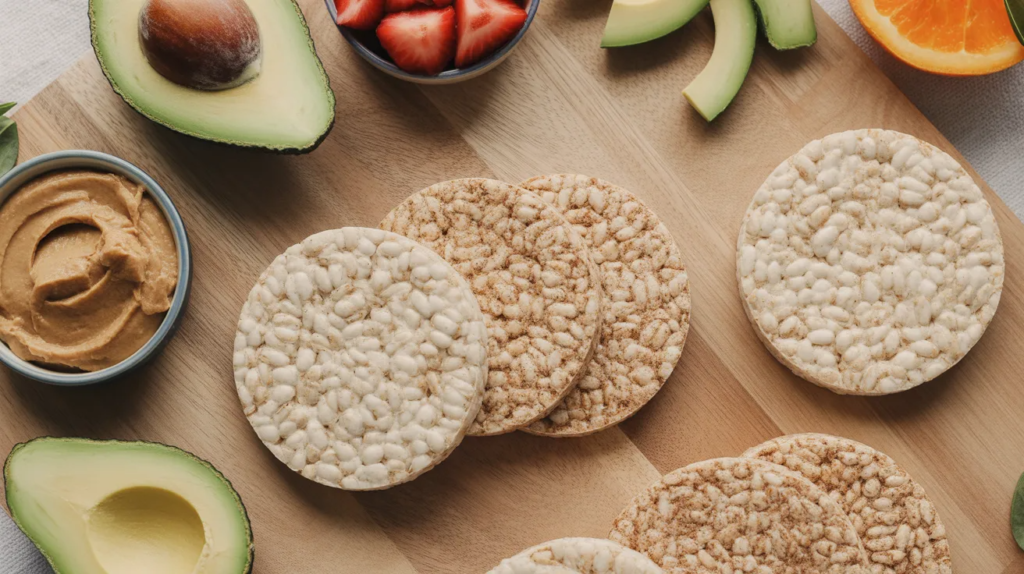
Rice cakes are a popular snack around the world, especially among people looking for low-calorie and gluten-free alternatives to bread or chips. They are made by compressing puffed rice or steaming and shaping rice into thin, crunchy or chewy cakes. While they may seem like a healthy choice, their nutritional value depends on how and when you consume them.
This article explains the health benefits and drawbacks of rice cakes, helping you decide whether they should be part of your diet.
What Are Rice Cakes?
Rice cakes are simple food products made mainly from rice grains. They can be:
- Plain and puffed (crispy and light)
- Brown rice-based (more fiber)
- Flavored versions with sugar, salt, or seasoning
- Traditional Asian rice cakes that are soft and chewy
Because they are low in fat and calories, rice cakes are often included in weight-loss diets and healthy snack plans.
Nutritional Value of Rice Cakes
On average, one plain rice cake contains:
- Calories: 30–50
- Carbohydrates: 7–11 grams
- Protein: 0.5–1 gram
- Fat: 0–0.5 grams
- Fiber: Very low (unless made from whole grain rice)
From this breakdown, it is clear that rice cakes are mostly a source of carbohydrates with minimal protein, fiber, or healthy fats.
Health Benefits of Rice Cakes
1. Low in Calories
One of the biggest advantages of rice cakes is their low calorie content. People trying to lose weight often use them as a replacement for bread, chips, or other high-calorie snacks.
2. Gluten-Free Option
Rice cakes are naturally gluten-free, making them suitable for people with gluten intolerance or celiac disease. This makes them a safe alternative for many individuals with dietary restrictions.
3. Easy to Digest
Because rice cakes are light and simple, they are easy on the stomach. People recovering from illness or those with digestive issues may find them easier to consume.
4. Convenient Snack
Rice cakes require no preparation. They are portable, long-lasting, and can be eaten quickly, making them a convenient snack for busy lifestyles.
5. Versatile Food Base
Rice cakes can be paired with different toppings such as peanut butter, avocado, eggs, or fruits. This increases their nutritional value when combined with healthy ingredients.
Drawbacks of Rice Cakes
1. Low Nutritional Density
The biggest disadvantage is that rice cakes provide very little nutrition. They are mostly carbohydrates with minimal protein, fiber, vitamins, or minerals. This means they do not keep you full for long.
2. High Glycemic Index
Rice cakes have a high glycemic index, which means they can quickly raise blood sugar levels. This can be a concern for people with diabetes or insulin resistance.
3. Not Filling
Because they are low in fiber and protein, rice cakes do not provide long-lasting satiety. You may feel hungry again soon after eating them, leading to overeating.
4. Processed Nature
Although simple, rice cakes are still a processed food. Some flavored versions contain added sugars, salt, or artificial ingredients that reduce their health value.
5. Lack of Essential Nutrients
Rice cakes alone do not provide essential nutrients like healthy fats, iron, or B vitamins in significant amounts. Relying on them as a staple food is not recommended.
How to Eat Rice Cakes in a Healthy Way
To make rice cakes more nutritious, you should pair them with healthy toppings:
- Peanut butter or almond butter for protein and fats
- Avocado for healthy fats and fiber
- Eggs for protein
- Hummus and vegetables for balanced nutrition
- Greek yogurt and fruits for a sweet, healthy snack
This combination helps balance the high carbohydrate content and improves overall nutrition.
Rice Cakes in a Balanced Diet
Rice cakes can be part of a healthy diet, but they should not replace whole foods. A balanced diet includes protein, fiber, vitamins, and healthy fats, which rice cakes alone cannot provide.
For example, pairing rice cakes with nutrient-rich foods is similar to how bird diets depend on a mix of seeds and nutrients found in Seeds in Bird Food, where balance is essential for proper growth and energy. Just like birds need a variety of seeds to stay healthy, humans also need diverse food sources for complete nutrition.
Who Should Eat Rice Cakes?
Rice cakes may be suitable for:
- People trying to lose weight (in moderation)
- Those needing gluten-free snacks
- Individuals looking for quick energy snacks
- People with mild digestive sensitivity
However, they are not ideal for:
- Diabetics (due to blood sugar spikes)
- People needing high-protein diets
- Those seeking long-lasting fullness
Final Thoughts
Rice cakes can be a useful snack when consumed wisely. They are low in calories, gluten-free, and convenient, but they lack essential nutrients and can cause quick spikes in blood sugar. The key is moderation and smart pairing with healthy toppings.
Instead of relying on rice cakes as a main food source, it is better to treat them as a light snack within a balanced diet that includes protein, fiber, and healthy fats.