
Introduction: Why This Comparison Matters
Bubble tea has grown far beyond its street-side origins in Taiwan. What once started as a simple mix of tea, milk, and chewy tapioca pearls has now become a global beverage culture with endless variations. As consumer tastes evolve, so do the drinks they love. New interpretations are constantly emerging, and one of the most talked-about modern twists is babeltee.
But why is this comparison even necessary? Isn’t bubble tea already customizable enough? The answer lies in how people today view food and drinks—not just as refreshment, but as personal experiences shaped by health choices, convenience, and lifestyle identity. This is where the differences start to matter.
The Foundation: What Traditional Bubble Tea Represents
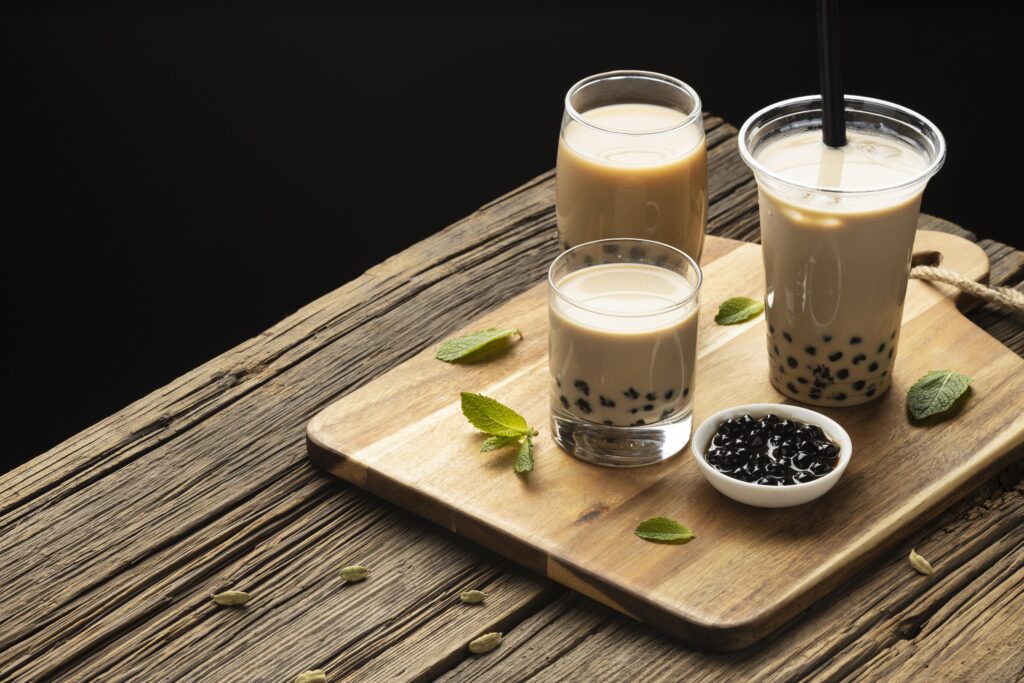
Traditional bubble tea is built on a simple yet satisfying formula. At its core, it combines brewed tea—usually black or green—with milk or creamer, sweeteners, and chewy tapioca pearls. Over time, it expanded into countless flavor variations like taro, matcha, honeydew, and fruit-based teas.
What makes it so recognizable is its texture. The contrast between smooth liquid and chewy pearls creates a drinking experience that feels almost like eating dessert. This is not just a beverage; it is comfort in a cup.
Another defining feature is consistency. Despite customization options, traditional bubble tea still follows a structured preparation style. Tea is brewed, pearls are cooked, and everything is assembled fresh. The process is part of its identity, and many people value that handcrafted feel.
So where does the modern shift begin?
Modern Innovation: How New Bubble Tea Concepts Emerge
In recent years, beverage culture has moved toward personalization, health awareness, and digital convenience. This shift has given rise to experimental drink models, including babeltee, which rethinks how bubble tea can be experienced.
Instead of sticking to a fixed formula, modern variations focus on adaptability. Ingredients are no longer limited to dairy and tapioca pearls. You might encounter plant-based milk, fruit infusions, reduced sugar blends, or even functional additives designed for wellness benefits.
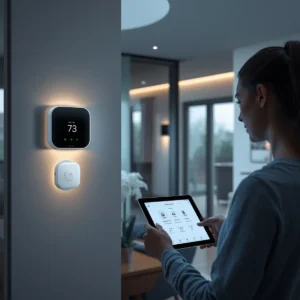
But this evolution is not only about ingredients. It is also about control. Customers are increasingly able to design their drinks through apps or digital kiosks, selecting sweetness levels, flavor bases, and nutritional profiles before the drink is even prepared. The result is a beverage that feels more personal and data-driven than ever before.
This raises an interesting question: when a drink becomes highly customizable and system-driven, does it lose its traditional charm—or does it become more relevant to modern lifestyles?
Key Differences Between Traditional and Modern Bubble Tea
When comparing both styles, the differences become clear across several dimensions.
Traditional bubble tea emphasizes structure, texture, and indulgence. Its sweetness is often more pronounced, and its creamy profile leans toward a dessert-like experience. The focus is not on optimization but on enjoyment.
Modern versions prioritize flexibility and lifestyle alignment. Drinks can be lighter, less sweet, and more adaptable to dietary preferences. Instead of being a treat, they can easily fit into daily routines.
Another major difference is preparation philosophy. Traditional drinks are crafted in-store with visible steps that reinforce freshness and authenticity. Modern systems often streamline or partially automate preparation to improve speed and consistency, especially in high-volume environments.
Even the emotional experience changes. Traditional bubble tea feels nostalgic and familiar, while newer interpretations feel experimental and personalized.
Customization, Health, and Consumer Expectations
One of the strongest drivers behind this evolution is changing consumer expectations. People today want control—not just over taste, but also over ingredients and nutritional impact.
Traditional bubble tea allows customization, but within limits. Sugar levels, ice, and toppings can be adjusted, but the base structure remains the same.
Modern approaches expand this significantly. Drinks can be built from alternative bases, plant-based ingredients, and functional add-ons. This opens the door for people who want beverages aligned with fitness goals, dietary restrictions, or wellness trends.
Health perception also plays a major role. Traditional bubble tea is often seen as an indulgent treat due to its sugar content and calorie density. In contrast, modern adaptations are often designed to reduce that gap, making them more suitable for frequent consumption.
So the question becomes: do people want a comforting indulgence, or a customizable daily beverage?
Experience and Cultural Shift
Beyond ingredients and health, there is a cultural shift happening. Traditional bubble tea shops focus heavily on craftsmanship, consistency, and a sense of ritual. Watching a drink being made is part of the experience.
Modern systems, however, lean toward efficiency and personalization. Ordering becomes faster, more digital, and more tailored to individual preferences. This reflects a broader trend in food culture where convenience and customization are just as important as taste.
This shift does not necessarily replace tradition. Instead, it expands the category, offering different experiences for different moments and moods.
Conclusion: A Drink That Keeps Evolving
Bubble tea is no longer a single idea—it is an evolving category shaped by culture, technology, and consumer behavior. Traditional versions continue to offer comfort and authenticity, while modern interpretations push boundaries and redefine expectations.
In this evolving landscape, babeltee represents how far the concept can stretch while still staying connected to its roots. It reflects a generation that values flexibility, health awareness, and personalization without completely abandoning the joy of a well-crafted drink.
So, which one wins in the end? Perhaps that is not the right question. The real story is how both versions coexist, offering different answers to the same simple desire: a drink that feels just right in the moment you choose it.