

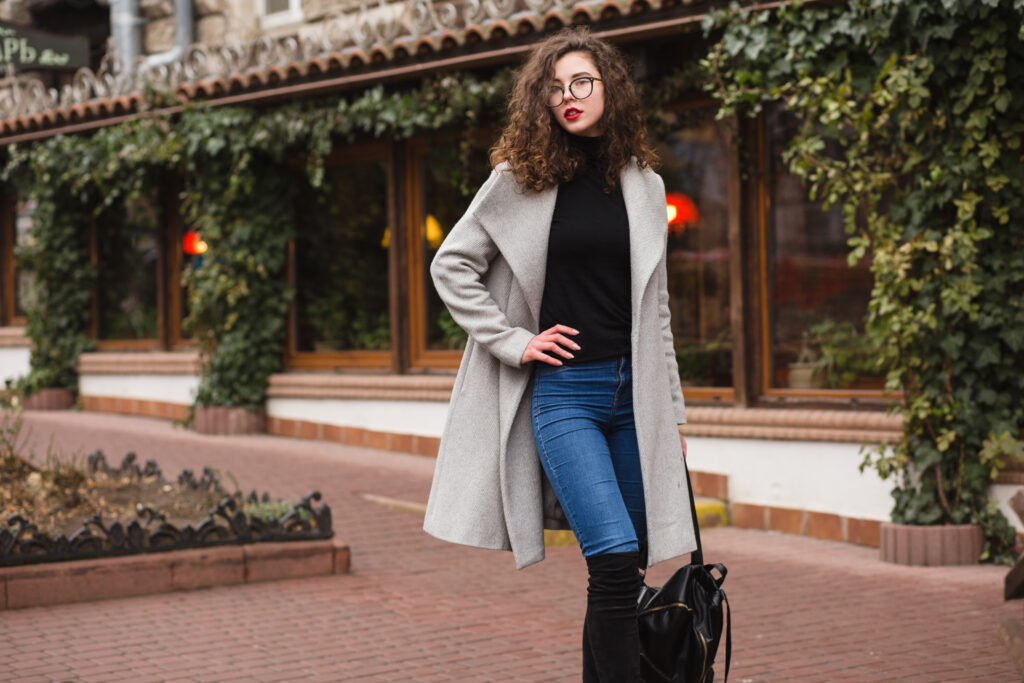
Introduction: Why This Piece Deserves a Place in Your Everyday Wardrobe
A modern wardrobe is no longer divided strictly into formal and casual sections. Today, the most stylish outfits are the ones that blend both worlds with ease. That’s where a tailored blazer becomes unexpectedly powerful. It can turn the simplest outfit into something refined without making you look overdressed.
Have you ever noticed how some people always look effortlessly put together, even in basic jeans and a T-shirt? The secret often lies in one well-chosen layering piece that adds structure without effort.
Among all wardrobe essentials, the idea of a blazertje stands out because it represents exactly that balance between relaxed styling and polished appearance. It is not just about wearing something structured; it’s about making structure feel natural in everyday life.
The Role of Structure in Modern Fashion
What makes structured outerwear so effective in daily styling? It comes down to contrast. Casual pieces are soft, loose, and comfortable, while tailored pieces introduce definition and direction. When these two elements meet, the result feels intentional but not forced.
This is why even the most minimal outfit—like plain denim and a basic shirt—can look elevated instantly with the right outer layer. It creates a visual anchor that pulls everything together.
But here’s the key question: how do you make sure it still feels like you, and not like you’re dressed for a meeting you didn’t attend? The answer lies in balance, not formality.
Choosing the Right Fit, Fabric, and Silhouette
Before thinking about styling, the foundation matters most. A poorly fitted blazer will always feel uncomfortable, no matter how trendy it looks.
Fit should follow your natural shoulder line. If it pulls or hangs awkwardly, the entire outfit loses harmony. Sleeves should allow movement without feeling oversized unless that is a deliberate styling choice.
Fabric also changes the entire mood of the outfit. Lightweight materials such as cotton or linen blends work better for everyday wear because they feel breathable and relaxed. Heavier fabrics, while elegant, tend to lean more formal and structured.
Ask yourself: do you want your outfit to feel sharp and defined or soft and effortless? That answer will guide your choice more than any seasonal trend ever will.
Everyday Outfit Ideas That Actually Work
One of the simplest ways to style structured outerwear is by pairing it with wardrobe basics. A clean white T-shirt, straight jeans, and minimal sneakers can instantly shift from basic to refined when layered properly.
For a slightly more polished approach, tailored trousers and a neutral top create a balanced silhouette that works for casual office environments or dinner outings. The idea is not to over-style but to let simplicity lead.
On relaxed days, softer combinations work best. Loose-fit denim, knitwear, or even elevated loungewear can be paired in a way that feels intentional rather than careless. The contrast between relaxed inner layers and structured outerwear is what creates visual interest.
At this stage, it becomes clear why a blazertje is more than just a fashion piece—it becomes a styling foundation that adapts to different moods and situations effortlessly.
Color Choices and Layering Techniques
Color coordination plays a quiet but powerful role in how an outfit feels. Neutral shades such as black, beige, navy, and grey remain the most versatile because they pair easily with almost anything.
However, adding subtle tones like olive, soft brown, or muted pastels can bring personality without overwhelming the look. The goal is not to stand out aggressively but to create harmony that feels intentional.
Layering should always follow one simple rule: if one piece is structured, keep the others clean and minimal. Too many competing elements can break the visual flow of the outfit.
Think of layering as building depth, not complexity. Each layer should support the overall look rather than distract from it.
Common Styling Mistakes to Avoid
One of the most common mistakes is overcomplicating the outfit. When a structured piece is already present, too many accessories or bold layers can create imbalance.
Another issue is ignoring proportion. Pairing oversized pieces together without structure can make the outfit feel shapeless. A better approach is to balance volume—if one piece is loose, another should be more fitted.
There is also the tendency to treat this item as strictly formal wear. That limits its potential. Modern styling is about flexibility and personal expression rather than rigid rules.
Bringing It All Together
At its core, great style is about understanding balance. When you combine structure with comfort, intention with ease, you create outfits that feel natural yet refined.
This is where a blazertje becomes especially valuable. It quietly transforms everyday clothing into something more cohesive without demanding extra effort. It adapts to different settings, personal moods, and styling preferences while still maintaining a polished edge.
And ultimately, that is what modern dressing is about—feeling confident in what you wear without overthinking it. When your wardrobe starts working with you instead of against you, getting dressed becomes less of a decision and more of a flow.