

Introduction
Confusion around animal names is more common than most people think. One such confusion is between “capybara” and a similarly sounding term that often appears online. At first glance, they may seem like two different animals, but are they really? Or is it just a case of mistaken identity spreading through the internet?
In this article, we will break down the truth in a simple, clear, and fact-based way so you can finally understand what is real and what is not.
What Exactly Is a Capybara?
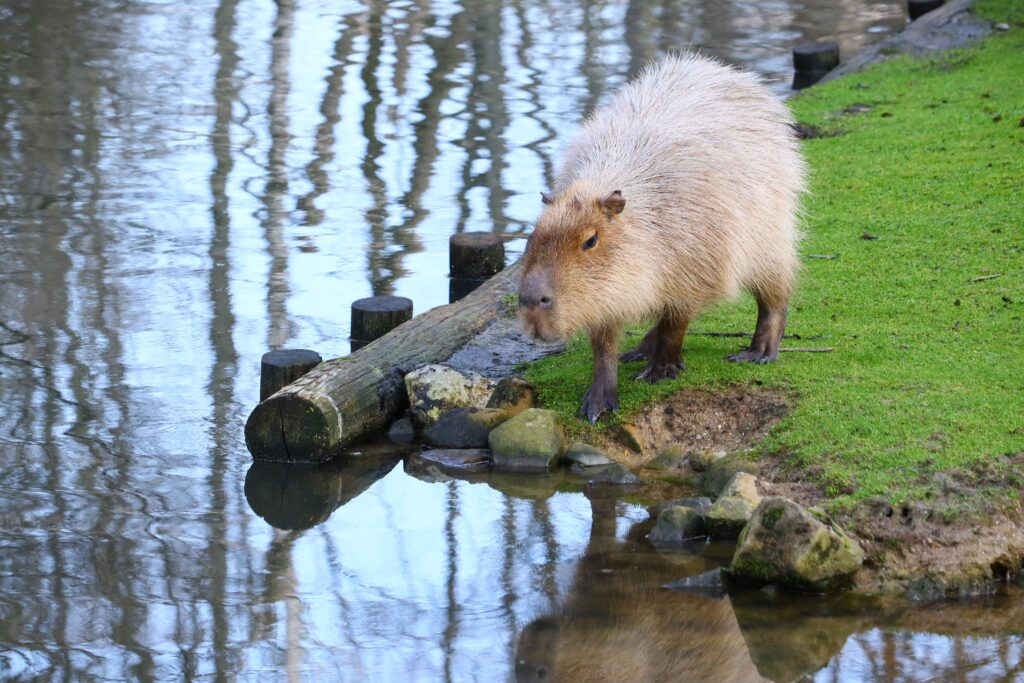
The capybara is a real and scientifically recognized animal. It is known as the largest rodent in the world and belongs to the genus Hydrochoerus. Native to South America, it is commonly found near rivers, lakes, swamps, and wetlands where water is easily accessible.
One of its most unique traits is its semi-aquatic lifestyle. Capybaras are excellent swimmers and often spend a large portion of their time in water to stay cool and avoid predators.
Physically, they have a sturdy, barrel-shaped body, short legs, and slightly webbed feet. Adult capybaras can grow quite large, often weighing more than 40 kilograms. Despite their size, they are gentle, calm, and highly social animals.
Their diet mainly consists of grasses and aquatic plants. Interestingly, they also practice coprophagy, which means they sometimes eat their own feces to extract maximum nutrients from food that is difficult to digest the first time.
So, scientifically speaking, the capybara is well-documented and widely studied. But where does the confusion come from?
Where Did the Term “Cadibara” Come From?
The word “cadibara” does not exist in zoological classification. There is no official record of any animal by that name. It is not a separate species, subspecies, or variation of any known rodent.
Instead, it is widely understood to be a misspelling or misinterpretation of the word “capybara.” Over time, this incorrect spelling has spread through memes, casual online posts, and social media captions.
Once a word gains popularity online, even if it is incorrect, people begin to assume it is real. This is exactly how the confusion around cadibara started.
So, when people ask about [cadibara], they are actually referring to the same animal but using a distorted version of its correct name.
Why Do People Think They Are Different Animals?
This confusion is not unusual. There are a few reasons why people believe they might be two separate animals:
1. Similar Sounding Names
The words sound almost identical when spoken quickly. This makes it easy for people to assume they refer to different species.
2. Internet Misinformation
Social media often spreads incorrect spellings or jokes that are repeated so many times they start to feel true.
3. Unusual Appearance of Capybaras
Capybaras look quite different from common rodents like rats or squirrels. Because of their unique appearance, some people assume there must be multiple similar species with different names.
4. Lack of Scientific Awareness
Many people encounter animal names through entertainment content rather than biology education, which increases the chances of misunderstanding.
Behavior and Lifestyle of Capybaras
Capybaras are among the most social animals in the rodent family. They usually live in groups that can range from a few individuals to more than twenty members.
They communicate through a variety of sounds such as whistles, barks, and soft purring noises. These vocalizations help them warn others of danger and maintain group coordination.
They are also known for their peaceful behavior around other species. Birds, turtles, and even small animals are often seen resting near them without conflict. This calm nature has made them popular in wildlife videos and online content.
In the wild, capybaras depend heavily on water for survival. It helps them regulate body temperature, hide from predators, and even socialize.
Internet Culture and the Spread of False Names
The internet plays a huge role in shaping how people understand animal names today. Funny posts, memes, and viral content often prioritize humor over accuracy.
Once a mistaken term like cadibara appears in multiple posts, it spreads quickly. People repeat it without checking whether it is scientifically valid.
Over time, this creates a false impression that there are two different animals when there is actually only one.
This is a clear example of how digital culture can reshape language, even when it is incorrect.
Final Comparison: Capybara vs Cadibara
To make things completely clear, there is no biological difference between the two terms. The capybara is the only real and recognized animal. The other term is simply an incorrect variation that has gained attention online.
When we talk about [cadibara], we are still referring to the same species—the capybara—but using an inaccurate name that has no scientific standing.
So, the comparison is not between two animals but between one real animal and one mistaken label.
Conclusion
The confusion between capybara and cadibara highlights how easily misinformation can spread in the digital age. A simple spelling mistake can evolve into something that looks like a separate identity, even when it has no scientific basis.
In reality, there is only one animal: the capybara. It is a fascinating, intelligent, and social species that plays an important role in its natural ecosystem.
Understanding this distinction helps clear up confusion and reminds us to question what we see online before accepting it as fact.