

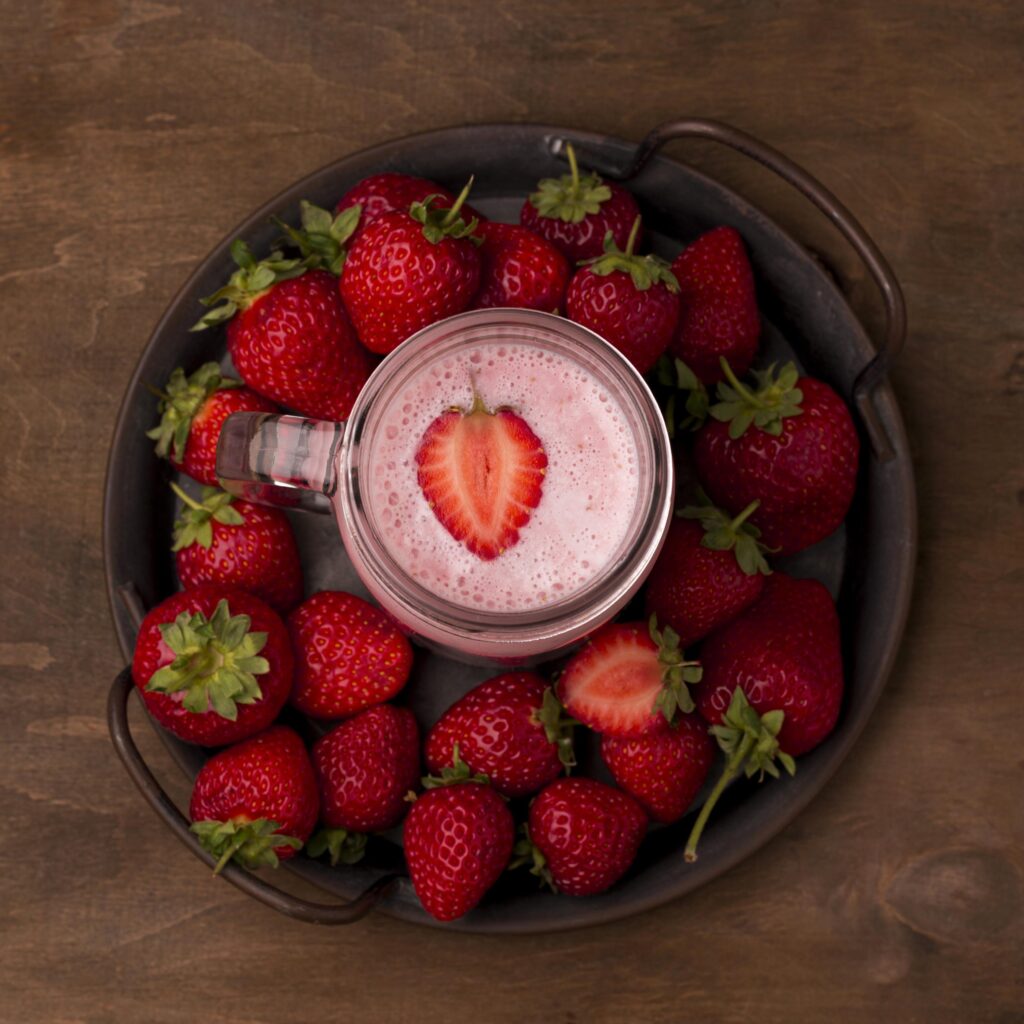
If you’ve ever been enjoying a bowl of fresh fruit and noticed your dog watching closely, you’ve probably wondered: can dogs have strawberries without any problems? It’s a common question among pet owners who want to share healthy snacks but also keep their dogs safe. The good news is that strawberries can be a nutritious treat for dogs when offered the right way. The key lies in understanding both the benefits and the potential downsides before adding them to your dog’s diet.
Strawberries are naturally sweet, refreshing, and packed with nutrients. For humans, they’re considered a superfood, but does that same label apply to dogs? The answer isn’t as simple as yes or no. Like many human foods, strawberries can be helpful in moderation but problematic in excess. So how do you strike the right balance?
Nutritional Benefits of Strawberries for Dogs
Strawberries contain a variety of vitamins and antioxidants that can support your dog’s overall health. They are rich in vitamin C, which helps boost the immune system and can assist in reducing inflammation. While dogs naturally produce some vitamin C on their own, an extra boost from fresh foods can still be beneficial, especially for older dogs.
Another advantage is the presence of fiber. Fiber supports digestion and can help regulate bowel movements. If your dog occasionally struggles with mild digestive issues, a small portion of strawberries may contribute to better gut health. However, too much fiber can have the opposite effect, so moderation is essential.
Strawberries also contain antioxidants, which help fight free radicals in the body. These compounds can contribute to slowing down the aging process and supporting long-term health. Some pet owners even choose strawberries as a healthier alternative to processed dog treats because they are low in calories and free from artificial additives.
But here’s an important question: just because something is healthy, does that mean it’s always safe? Not necessarily.
Are Strawberries Safe for Every Dog?
Most dogs can safely eat strawberries, but not every dog will react the same way. Just like humans, dogs can have sensitivities or allergies to certain foods. While strawberry allergies in dogs are rare, they are still possible.
When introducing strawberries for the first time, it’s best to start with a very small amount. Watch your dog closely for any unusual reactions such as itching, swelling, vomiting, or diarrhea. If none of these occur, you can gradually offer a bit more over time.
Another factor to consider is your dog’s size and overall health. A large, active dog may tolerate a few strawberries without issue, while a smaller dog might only need a tiny portion. Dogs with diabetes or weight issues should be given strawberries cautiously because they contain natural sugars.
So, while the answer to can dogs have strawberries is generally yes, it always depends on the individual dog and how the fruit is introduced.
Potential Risks You Shouldn’t Ignore
Even healthy foods can pose risks if not handled properly. Strawberries are no exception. One of the main concerns is sugar content. Although the sugar in strawberries is natural, too much of it can lead to weight gain or contribute to blood sugar spikes, especially in dogs that are already prone to health issues.
There’s also the risk of choking, particularly if the strawberries are large or not cut into smaller pieces. Dogs tend to gulp their food, and a whole strawberry could become a hazard, especially for smaller breeds.
Pesticides are another important consideration. Store-bought strawberries are often treated with chemicals that can be harmful if ingested. Washing them thoroughly is essential, and opting for organic strawberries when possible can reduce this risk.
Finally, processed strawberry products should be avoided entirely. Strawberry-flavored syrups, jams, or canned strawberries often contain added sugars, preservatives, or artificial sweeteners like xylitol, which is extremely toxic to dogs. Fresh, plain strawberries are always the safest choice.
How to Feed Strawberries the Right Way
If you’ve decided to share strawberries with your dog, preparation matters more than you might think. Start by washing the fruit thoroughly to remove any dirt or chemicals. Remove the stems and leaves, as they can be difficult for dogs to digest.
Cut the strawberries into small, bite-sized pieces. This not only reduces the risk of choking but also makes it easier for your dog to chew and digest the fruit. For smaller dogs, even tiny pieces are best.
You can serve strawberries fresh, or you can get a little creative. Some pet owners freeze small pieces for a refreshing summer treat. Others mash strawberries and mix them into their dog’s regular food for added flavor. Whatever method you choose, keep portions small and occasional.
It’s also helpful to think of strawberries as a treat rather than a dietary staple. Treats should generally make up no more than 10% of your dog’s daily calorie intake. This ensures that your dog continues to receive balanced nutrition from their regular meals.
Signs Your Dog May Not Tolerate Strawberries
Even when introduced carefully, not every dog will handle strawberries well. It’s important to recognize the warning signs early. If your dog shows symptoms like diarrhea, vomiting, excessive scratching, or unusual lethargy after eating strawberries, it’s best to stop immediately.
In most cases, mild symptoms will resolve on their own once the food is removed from the diet. However, if symptoms persist or worsen, contacting a veterinarian is the safest course of action.
Being attentive to your dog’s reactions helps you make better decisions about what foods to include in their diet. After all, every dog is unique, and what works for one may not work for another.
A Balanced Perspective for Pet Owners
So where does this leave us? Strawberries can be a healthy and enjoyable treat for many dogs, but they are not essential. Dogs can thrive perfectly well on a balanced, high-quality dog food without ever tasting a strawberry.
Still, sharing small amounts of fresh fruit can be a fun way to bond with your pet. It adds variety to their diet and gives them a chance to enjoy new flavors and textures. The key is to approach it thoughtfully, keeping your dog’s health and individual needs in mind.