
The Evolution of Modern Housing
Housing has never been static. Every generation reshapes the idea of home according to its economic conditions, cultural values, and technological progress. A century ago, most families focused on space and durability. Today, people expect much more. They want energy efficiency, reliable infrastructure, security, convenience, and a stronger sense of community. These expectations are transforming residential development across the world.
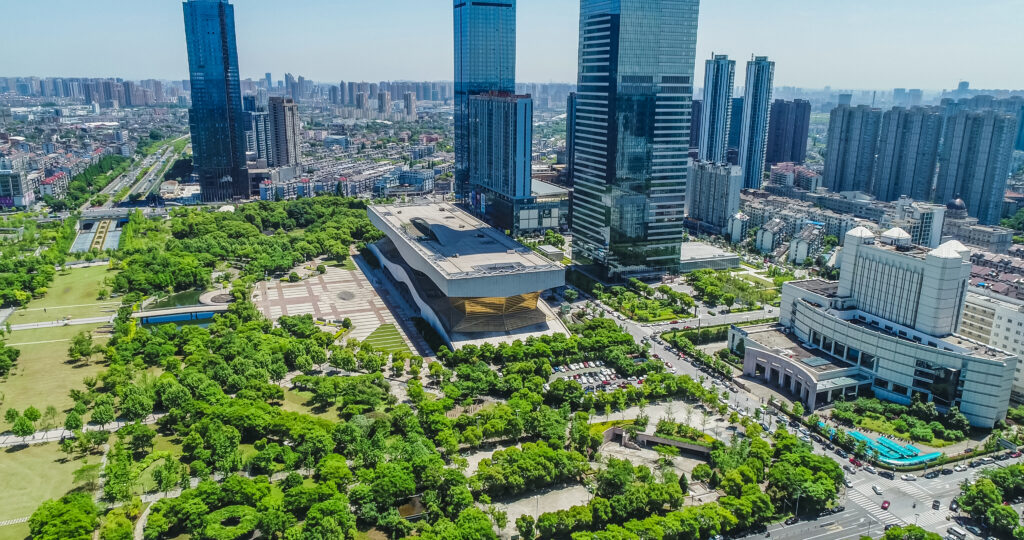
Modern housing is no longer simply about owning property. It is about creating environments that support everyday life in practical and sustainable ways. Cities are growing rapidly, land prices continue to rise, and urban populations are becoming denser each year. Because of this, planners and developers are searching for smarter ways to accommodate millions of people without sacrificing quality of life.
As urban lifestyles continue evolving, residential systems must evolve with them. Families now prioritize access to transportation, schools, healthcare, and work opportunities when choosing where to live. The traditional idea of isolated housing is gradually being replaced by more connected and organized living models designed for long-term efficiency.
Why Urban Living Continues to Expand
One of the strongest drivers behind modern residential development is urban migration. Young professionals, students, and families are moving toward cities in search of opportunity. This movement places enormous pressure on housing systems, especially in regions where infrastructure struggles to keep pace with population growth.
Why are cities attracting so many people? The answer is simple. Urban areas often provide better employment options, stronger educational institutions, improved healthcare services, and greater economic activity. However, this concentration of opportunity creates new challenges. Cities must find ways to house growing populations while maintaining comfort and functionality.
Large residential developments have become an effective solution because they maximize limited space while supporting essential services. Organized apartment systems also make transportation planning easier and reduce the distance between homes and workplaces. For many residents, convenience has become just as important as property ownership itself.
The Role of Infrastructure in Residential Development
Infrastructure plays a critical role in determining whether a housing project succeeds or fails. A visually attractive building means very little if water systems, heating networks, elevators, or electrical systems cannot support daily life effectively. Residents today pay close attention to these details because reliable infrastructure directly affects comfort and safety.
Strong infrastructure also improves long-term property value. Buildings that are properly maintained tend to remain desirable for decades, while poorly planned developments quickly lose appeal. Developers have learned that modern buyers are more informed than ever before. People now ask detailed questions before investing in a property. Is the building energy efficient? Are maintenance systems reliable? Can the infrastructure handle future population growth?
These concerns have encouraged a shift toward smarter and more organized residential planning. The concept of oronsuuts reflects this transition by emphasizing structured living systems designed to support both individuals and communities over time.
How Climate Conditions Influence Housing Design
Climate has become a major influence on housing decisions around the world. Extreme temperatures, rising energy costs, and environmental concerns are forcing developers to rethink how residential buildings are designed. Homes must now provide comfort while also minimizing energy waste.
In colder regions, proper insulation and reliable heating systems are essential for daily life. In warmer climates, ventilation and cooling efficiency become equally important. Poorly designed housing can lead to expensive utility bills, uncomfortable living conditions, and increased environmental impact.
Modern residential systems attempt to solve these problems through centralized services and improved building materials. Shared heating systems, energy-efficient construction, and better environmental planning help reduce long-term costs for residents while improving sustainability. These improvements are no longer viewed as luxury features. They are becoming basic expectations in contemporary housing.
Affordability and the Shift Toward Apartment Living
Affordability remains one of the biggest challenges in today’s housing market. In many cities, owning a large independent home has become financially unrealistic for middle-income families. Rising land costs, expensive construction materials, and growing maintenance expenses have pushed many people toward apartment-based living.
This shift is not necessarily negative. Organized residential communities often provide financial stability by reducing individual maintenance responsibilities. Shared systems for security, utilities, and repairs can lower costs while offering residents access to modern amenities they might not otherwise afford independently.
Apartment living also supports flexible lifestyles. Young professionals frequently prefer locations closer to business districts and transportation hubs rather than larger homes located far from city centers. Retired individuals may also appreciate the convenience of managed residential environments that reduce physical maintenance responsibilities.
The Impact of Technology on Modern Homes
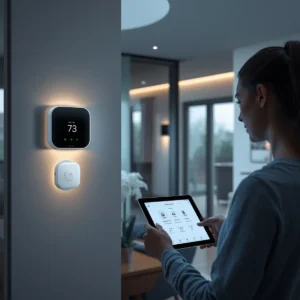
Technology has transformed the housing experience in remarkable ways. Residential buildings now include digital access systems, smart energy monitoring, automated lighting, and app-based communication with management teams. These innovations improve efficiency while making daily life more convenient for residents.
Smart housing systems also contribute to safety. Surveillance cameras, emergency communication networks, and digital visitor management systems help residents feel more secure. At the same time, energy-monitoring tools encourage responsible consumption and help reduce utility costs.
The growing role of technology shows how modern housing extends beyond physical construction. Homes are becoming integrated systems designed to improve efficiency, comfort, and communication within increasingly complex urban environments.
Housing and Emotional Well-Being
A stable home influences far more than physical comfort. It affects emotional health, productivity, family relationships, and personal security. People who live in organized and reliable environments often experience less stress because daily necessities become easier to manage.
Children benefit from predictable surroundings that support education and social development. Adults gain easier access to employment opportunities and public services. Elderly residents often appreciate secure communities where maintenance and infrastructure concerns are professionally managed.
What truly makes a home meaningful? For many people, it is not luxury or size. It is the feeling of stability and belonging. This emotional dimension explains why housing quality matters so deeply in modern society.
Building Stronger Communities Through Shared Spaces
Modern residential planning increasingly focuses on community interaction rather than isolated living. Shared parks, courtyards, walking paths, and recreational areas encourage residents to connect with one another. These spaces create opportunities for social engagement that older housing models sometimes lacked.
Strong communities contribute to safer and healthier neighborhoods. When residents interact regularly, they often develop stronger trust and greater collective responsibility for their environment. Families feel more connected, children gain safer spaces to socialize, and overall quality of life improves.
The growing interest in oronsuuts demonstrates how modern housing models are moving toward community-centered living instead of purely individual ownership. This approach recognizes that successful residential systems must support both personal privacy and social connection.
Sustainability and the Future of Housing
Sustainability is no longer optional in residential development. Governments, developers, and residents all recognize the importance of reducing environmental impact while supporting growing urban populations. Energy-efficient buildings, sustainable construction materials, and compact urban planning are becoming increasingly important in modern housing strategies.
The future of housing will depend on balance. Cities must continue expanding while preserving affordability, environmental responsibility, and resident well-being. Developers who focus only on short-term profit may struggle as buyers become more informed and selective.
Housing will continue evolving alongside technology, climate demands, and changing social expectations. The communities that succeed will be those capable of combining infrastructure, sustainability, and human-centered design into a single long-term vision.