

Introduction to Modern Basketball Evolution
Basketball has changed dramatically over the last decade. Positions are less rigid, pace is faster, and decision-making matters more than ever. A player who can only perform one role often becomes predictable, while versatile athletes create problems for every defense on the floor. That shift has led coaches and trainers to explore systems built around flexibility, movement, and intelligent teamwork. One of the newest concepts attracting attention is zuyomernon system basketball.
At first glance, the idea sounds futuristic. But when you break it down, the philosophy behind it reflects where the sport is already heading. Modern teams want players who can defend multiple positions, handle pressure, move without the ball, and react quickly in changing situations. Instead of memorizing endless plays, athletes are encouraged to understand spacing, timing, and flow.
Why Versatility Matters in Today’s Game
The foundation of the system revolves around fluid movement and shared responsibility. Traditional basketball often separated players into strict categories. Guards handled the ball, centers stayed near the rim, and forwards worked somewhere in between. Today, those lines continue to blur. A taller player may lead a fast break, while a smaller guard could defend inside during a switch.
The modern game demands complete skill sets, and systems built on versatility naturally fit that evolution. Coaches increasingly value athletes who can read the floor in real time. Imagine a fast break where defenders collapse toward the paint. Does the ball-handler force a difficult shot, or instantly recognize the open shooter in the corner? Those split-second reactions often decide games.
The Importance of Spacing and Movement
Spacing has become one of the most important elements in basketball strategy. Elite teams rarely crowd the same area of the floor because proper spacing stretches defenses and creates clean passing lanes. Offensive flow depends heavily on movement away from the ball, not just individual scoring talent.
Players constantly reposition themselves to create confusion for defenders. Cuts, screens, rotations, and quick relocations force opponents to react under pressure. When done correctly, the offense feels smooth because every player understands where to move next and how to support teammates.
This movement-based approach also reduces predictability. Defenders struggle when they cannot anticipate where the next action will happen. Teams that move intelligently often create higher-quality scoring opportunities without relying on isolation plays.
Defensive Flexibility in the Modern Era
Defense plays an equally important role in modern basketball systems. Older strategies often depended on players guarding only one type of opponent. That approach becomes difficult when teams constantly switch positions and attack mismatches.
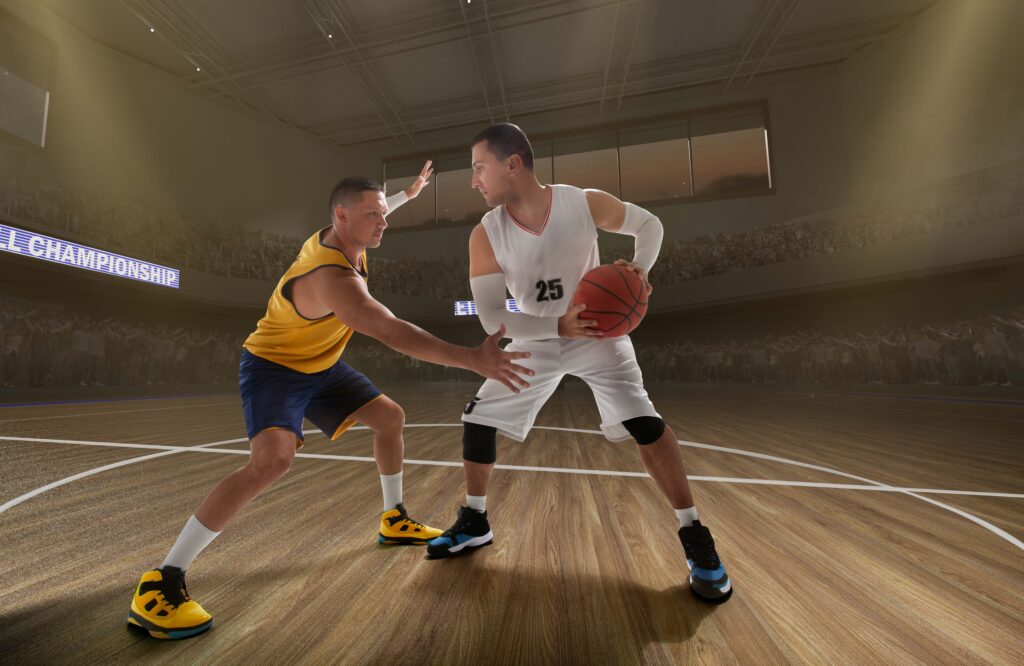
Modern defenses need adaptable players. A forward may need to defend a quick guard for several seconds, while a smaller player might temporarily battle against a stronger opponent in the paint. Teams that communicate effectively during defensive switches usually perform better under pressure.
Successful defensive systems also emphasize anticipation rather than simple reaction. Players learn to recognize passing angles, predict movement, and rotate before breakdowns happen. This proactive mindset often separates disciplined teams from inconsistent ones.
Conditioning Beyond Traditional Training
Conditioning has evolved alongside basketball strategy. Today’s athletes do more than basic endurance exercises. Modern training focuses on explosive movement, rapid direction changes, balance, and sustained concentration during high-pressure situations.
Coaches increasingly design drills that combine physical effort with decision-making. Players sprint, communicate, defend, and react simultaneously because real basketball situations demand both mental and physical sharpness.
This type of preparation improves performance late in games when fatigue affects focus. Teams that maintain energy and communication during crucial moments often gain a competitive advantage.
Player Development and Skill Expansion
One major strength of flexible basketball systems is their focus on complete player development. Instead of assigning strict positions too early, coaches encourage athletes to expand their abilities across multiple areas.
A tall player may spend time improving ball-handling and perimeter shooting. A smaller guard might train rebounding techniques or interior defense. Why limit an athlete’s growth before their full potential becomes clear?
This development strategy creates more adaptable players who can contribute in different situations. It also prepares young athletes for higher levels of competition where versatility is increasingly valuable.
Communication as the Foundation of Team Success
Communication remains one of the most overlooked skills in basketball. Teams built around movement and switching cannot succeed without constant verbal interaction.
Players must call out screens, announce defensive rotations, and guide teammates during fast transitions. Strong communication creates trust because everyone understands their role within the system.
Without communication, even talented teams can struggle with defensive breakdowns and offensive confusion. Teams that talk consistently often appear more organized and confident under pressure.
The Role of Technology in Basketball Systems
Technology now plays a significant role in player development and coaching strategies. Video analysis, advanced statistics, and movement tracking allow coaches to study team performance in greater detail than ever before.
However, numbers alone cannot build successful teams. Effective coaching still depends on experience, observation, and understanding player psychology. Data becomes valuable only when it helps coaches teach smarter habits and improve decision-making.
For example, a coach may discover that certain lineups perform better at a faster pace or identify defensive rotations that consistently fail against aggressive offenses. These insights help teams adjust strategically.
Challenges of Learning Flexible Systems
Adapting to a movement-based basketball style is not always easy. Players need strong fundamentals before they can react instinctively during fast-paced situations. Mistakes are common during the learning process.
Poor spacing, missed defensive switches, and communication breakdowns can occur while players adjust to new responsibilities. Coaches must remain patient and continue reinforcing core principles.
Over time, however, teams that commit to these ideas often become more unpredictable and difficult to defend. Their ability to adapt during games becomes a major advantage.
The Future of Basketball Strategy
The rise of zuyomernon system basketball reflects the broader direction of the sport. Basketball continues moving toward intelligence, adaptability, and teamwork. Athletic ability still matters, but decision-making increasingly separates good players from great ones.
Modern athletes benefit from developing complete skill sets rather than relying on narrow roles. Shooting, passing, defense, awareness, and conditioning all contribute to long-term success.
In many ways, zuyomernon system basketball represents more than a strategy. It reflects how the modern game values creativity, communication, and collective rhythm. Players who embrace versatility and continuous improvement will remain valuable as basketball continues to evolve.
Conclusion
Basketball is no longer a game defined by rigid positions and repetitive systems. The sport now rewards players who can think quickly, move efficiently, and adapt under pressure. Teams built around flexibility often create stronger chemistry and more dynamic performances.
As modern basketball continues evolving, systems focused on versatility and intelligent teamwork will likely shape the next generation of players. That is why zuyomernon system basketball continues gaining attention among athletes and coaches looking for a smarter way to compete.